
Serengeti National Park
Stretching across the vast northern plains of Tanzania, Serengeti National Park is one of the most iconic wildlife destinations on Earth. Covering approximately 14,750 square kilometers of protected wilderness, the Serengeti is renowned for its endless savannah landscapes, extraordinary biodiversity, and the world-famous Great Migration—a natural spectacle considered one of the greatest wildlife events on the planet.
The name “Serengeti” originates from the Maasai word Siringet, meaning “endless plains,” a fitting description for the park’s sweeping grasslands that seem to stretch beyond the horizon. This UNESCO World Heritage Site offers visitors an authentic African safari experience, where nature exists in its purest and most untamed form.
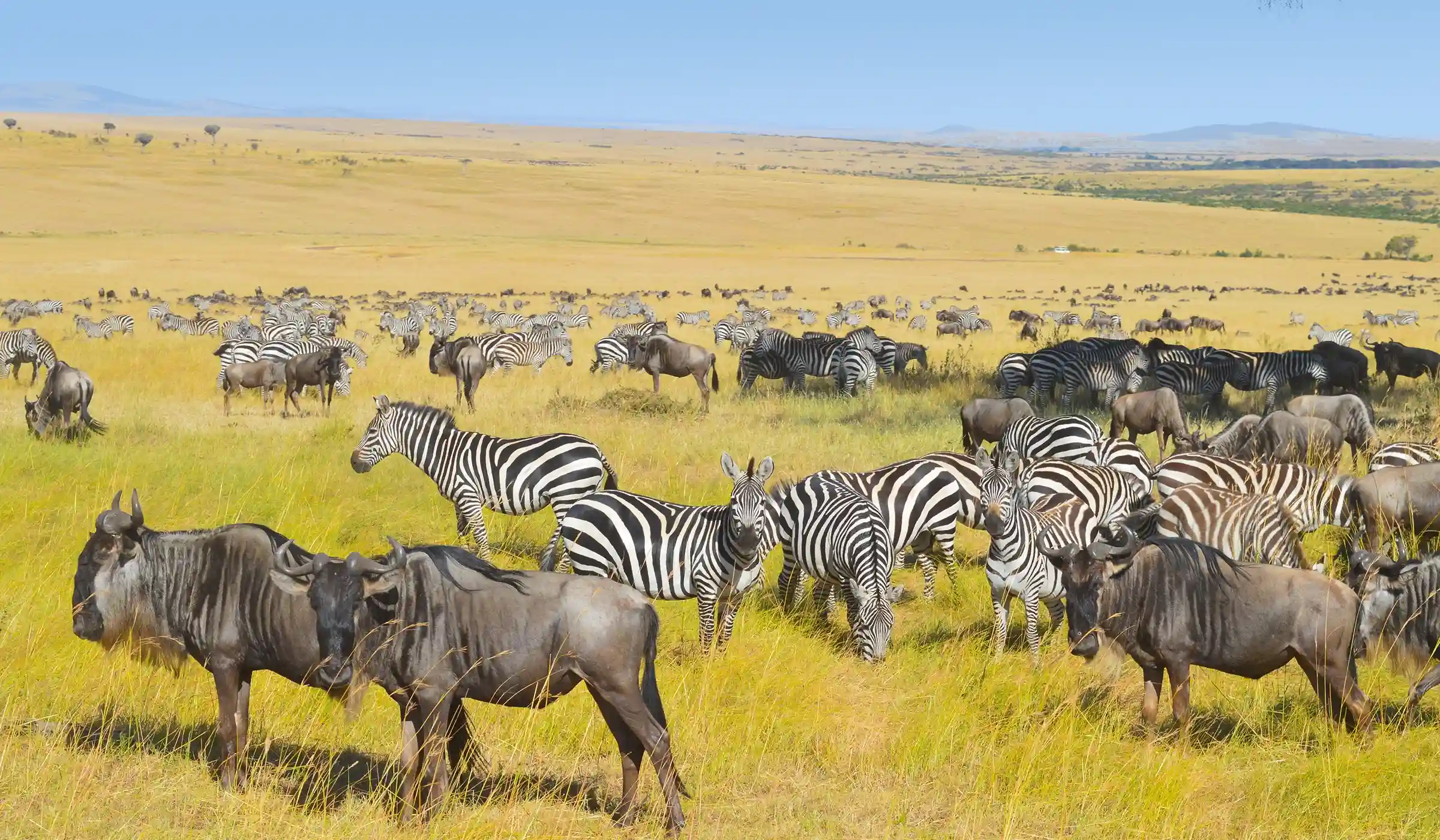
One of the Serengeti’s most remarkable highlights is the Great Migration, during which more than two million wildebeest, zebras, and gazelles move across the ecosystem in search of fresh grazing and water. This epic journey follows a circular route between the Serengeti in Tanzania and the neighboring Maasai Mara National Reserve. Along the way, dramatic river crossings particularly at the Mara River create breathtaking scenes as animals face powerful currents and lurking crocodiles.
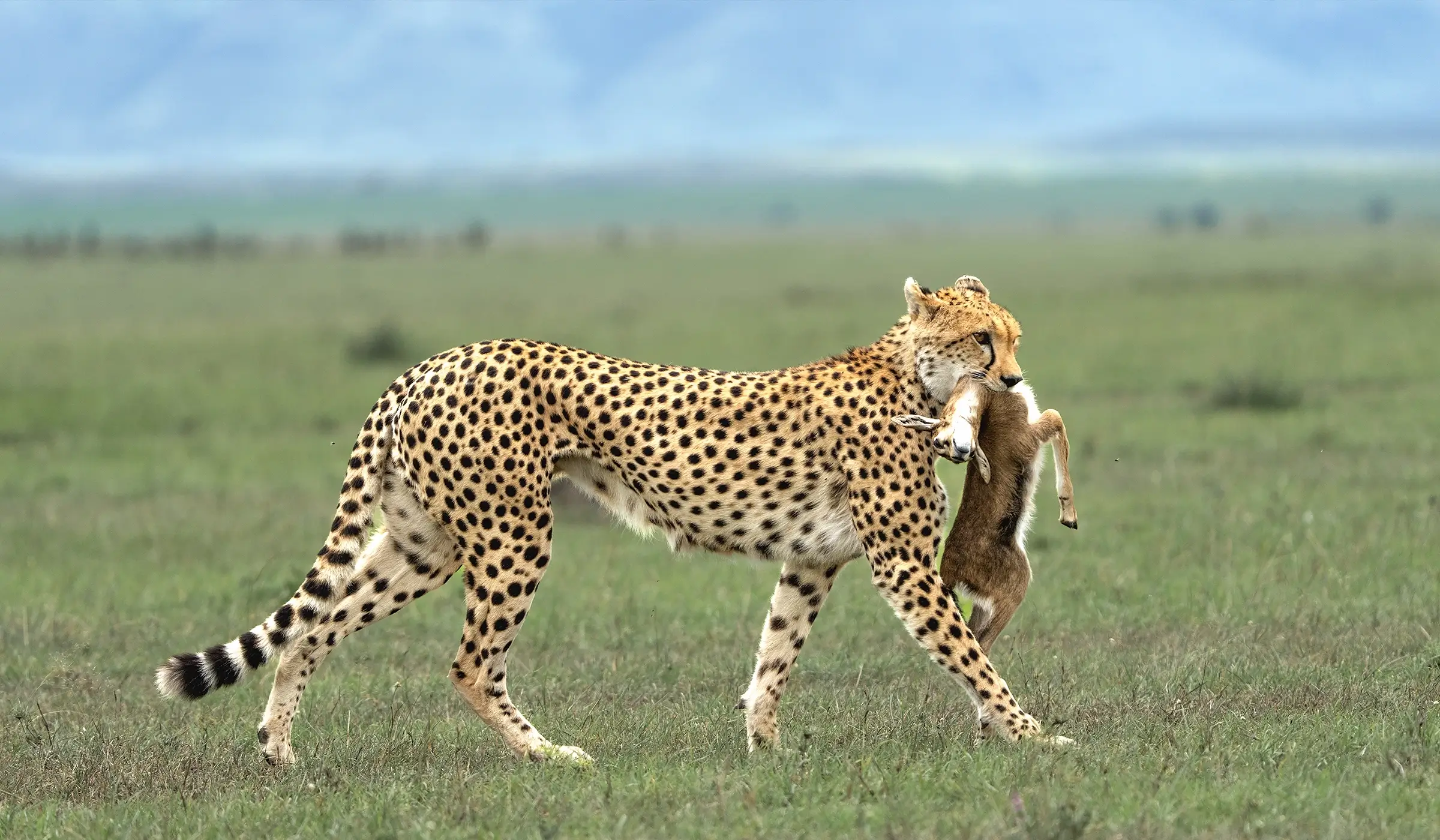
Beyond the migration, the Serengeti boasts one of the highest concentrations of wildlife in Africa. Visitors can encounter the legendary Big Five lion, leopard, elephant, buffalo, and rhino along with cheetahs, hyenas, giraffes, hippos, crocodiles, and hundreds of bird species. The park is especially famous for its large lion population and exceptional predator-prey interactions, making it a paradise for wildlife photographers and nature enthusiasts.
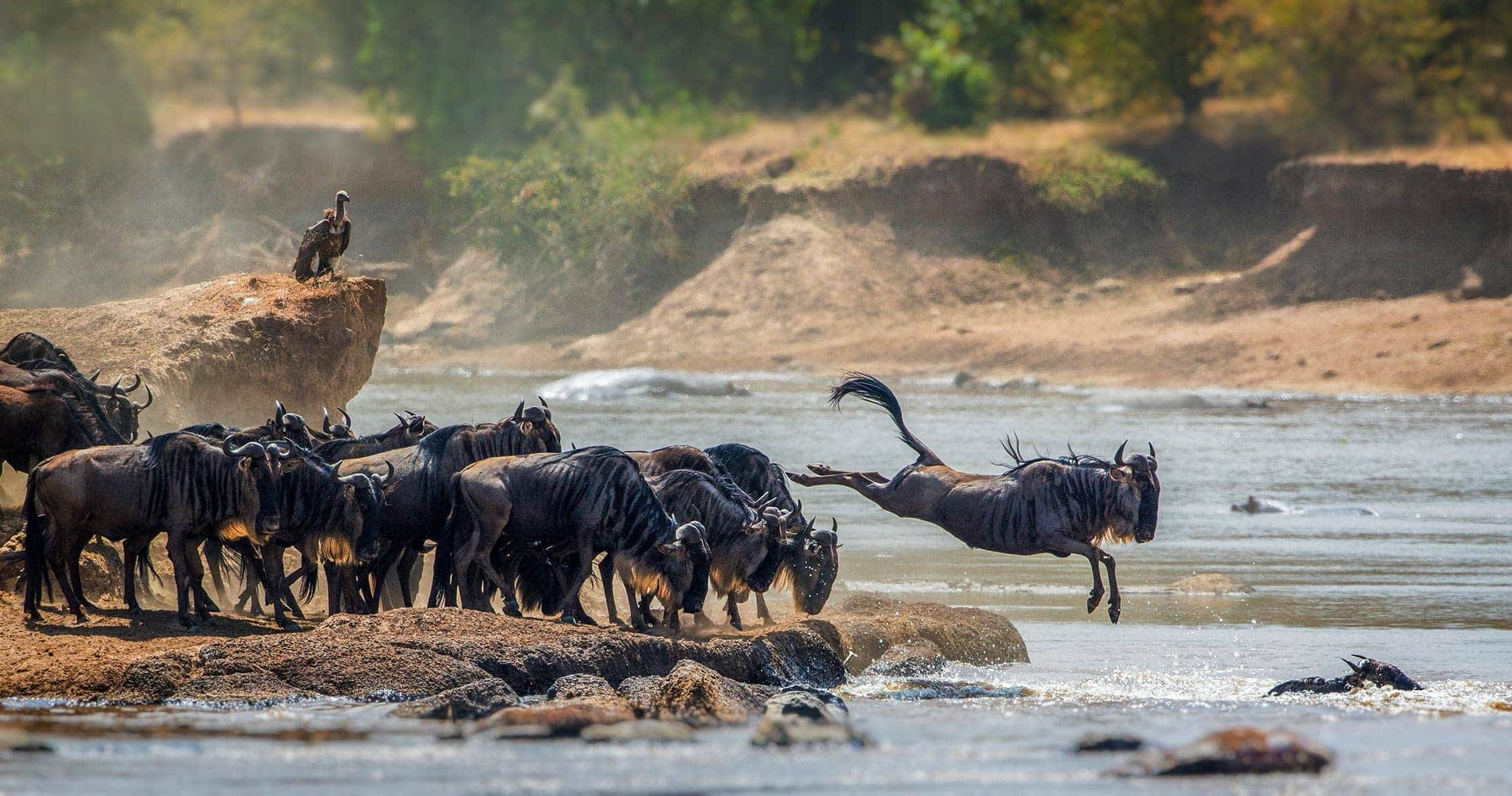
The Serengeti ecosystem is incredibly diverse, with habitats ranging from open grasslands and rocky kopjes to riverine forests and acacia woodlands. Each region of the park offers unique wildlife experiences. The central Serengeti, known as Seronera Valley, is rich in year-round wildlife due to its permanent water sources. The northern Serengeti is famous for dramatic Mara River crossings during the migration season, while the southern plains become the calving grounds for thousands of wildebeest each year.
In addition to its incredible wildlife, the Serengeti offers breathtaking scenery and unforgettable safari experiences. Visitors can explore the park through game drives, hot-air balloon safaris at sunrise, guided walking safaris in surrounding conservation areas, and cultural encounters with the local Maasai communities. From luxury lodges and tented camps to intimate mobile camps that follow the migration, the Serengeti provides accommodations that blend comfort with the thrill of the wild.
The best time to visit the Serengeti depends on the experiences travelers seek. The calving season on the southern plains usually occurs between January and March, attracting predators and providing incredible wildlife viewing. From June to October, the dry season offers excellent game viewing and the famous river crossings in the north.
Ultimately, the Serengeti is more than just a national park—it is a living ecosystem where ancient natural rhythms continue largely unchanged. Its vast landscapes, abundant wildlife, and dramatic natural events create an unforgettable safari destination that captures the true spirit of Africa. For travelers seeking adventure, beauty, and a deep connection with nature, the Serengeti remains one of the most extraordinary places in the world