Medical Tips for Kilimanjaro
Climbing Mount Kilimanjaro is an incredible experience, but health and safety are critical for a successful and enjoyable trek. Here’s a clear, practical guide:
🏥 Altitude Sickness (Biggest Risk)
- Kilimanjaro reaches 5,895 m (19,341 ft) — altitude sickness is common.
- Symptoms: headache, nausea, dizziness, fatigue, loss of appetite.
- Prevention:
- Go slowly (“pole pole”)
- Choose longer routes (better acclimatization)
- Stay hydrated (3–4 liters daily)
- Consider medication like Acetazolamide (consult your doctor)
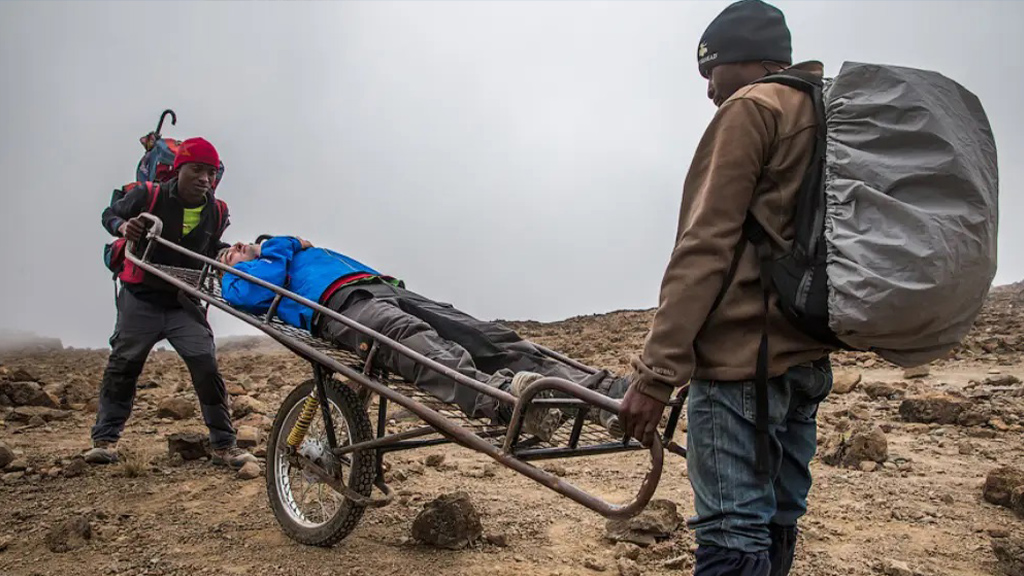
⚠️ If symptoms worsen → descend immediately (guides are trained for this).
💧 Hydration & Nutrition
- Drink plenty of purified water (guides usually provide it).
- Eat even if you lose appetite — energy is essential.
- Carry snacks: energy bars, nuts, chocolate.
🥾 Physical Fitness & Preparation
- Good fitness helps but doesn’t guarantee altitude success.
- Focus on:
- Cardio (hiking, running)
- Leg strength
- Endurance training
🧥 Weather & Clothing Safety
- Temperatures range from hot at base to -20°C at summit.
- Dress in layers:
- Moisture-wicking base layer
- Insulating mid-layer
- Waterproof outer shell
- Essential gear:
- Warm gloves
- Hat/balaclava
- Proper hiking boots
☀️ Sun Protection
- Strong UV at high altitude
- Use:
- Sunglasses (UV protection)
- Sunscreen (SPF 30+)
- Lip balm with SPF
🦠 Hygiene & Illness Prevention
- Wash/sanitize hands regularly
- Use bottled/treated water only
- Bring basic meds (painkillers, anti-diarrhea, etc.)
🧭 Guides & Safety Support
- Always climb with a licensed operator
- Guides:
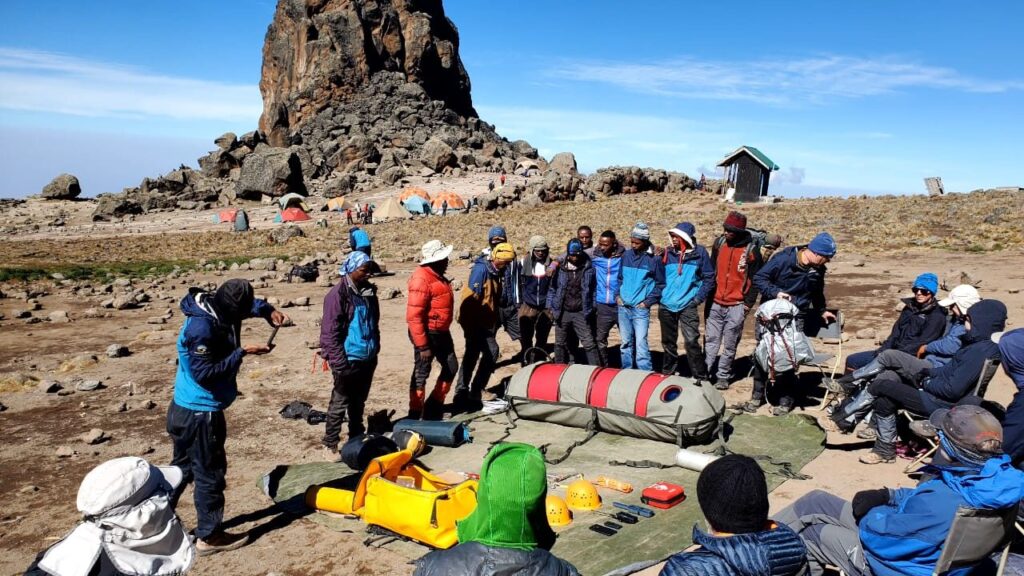
- Monitor your health daily
- Carry oxygen and first aid
- Make decisions about descent if needed
Organizations like Kilimanjaro National Park Authority enforce safety standards and require registered guides.
🛌 Rest & Pace
- Get enough sleep (though altitude can make it harder)
- Walk at a steady, slow pace
- Follow the rule: “climb high, sleep low” where possible
🚨 Emergency Awareness
- Know signs of serious conditions:
- HAPE (lung fluid) – shortness of breath
- HACE (brain swelling) – confusion, loss of coordination
- Immediate descent is the only cure
✅ Final Tips
- Get travel insurance (covers high-altitude trekking)
- Don’t rush summit day
- Listen to your body, not your ego
🧴 Skin & Lip Care
- High altitude dries skin fast
- Use:
- Heavy moisturizer
- SPF lip balm (reapply often)
- Prevent cracked lips (very common issue)
🚻 Toilet & Sanitation Tips
- Bring:
- Wet wipes
- Hand sanitizer
- Toilet paper
- Consider a portable toilet option for comfort
🧳 Gear Safety & Smart Packing
- Use a duffel bag (carried by porters)
- Keep essentials in your daypack:
- Water
- Snacks
- Rain jacket
- Headlamp
- Always pack gear in waterproof bags
⚖️ Weight & Energy Management
- Don’t overpack — heavy daypacks increase fatigue
- Keep daypack light (5–7 kg max)
🧾 Insurance & Evacuation
- Make sure your insurance covers:
- High altitude trekking (up to 6,000 m)
- Emergency evacuation
- Helicopter rescue is possible but depends on weather and location
👣 Choose the Right Route (Safety Matters)
Safer (better acclimatization):
- Lemosho Route
- Northern Circuit
More challenging (higher risk of altitude issues):
- Marangu Route (shorter)
- Umbwe Route (steep)
🧑🤝🧑 Porter & Crew Welfare (Also Safety)
Organizations like Kilimanjaro Porters Assistance Project ensure:
- Proper equipment for porters
- Fair wages
- Ethical treatment
Choosing ethical operators improves overall expedition safety.
🚫 Common Mistakes to Avoid
- Going too fast ❌
- Ignoring symptoms ❌
- Not drinking enough ❌
- Underestimating cold ❌
- Choosing cheapest operator only ❌